Introduction
The integration of artificial intelligence, particularly AI chatbots, into educational settings has become a topic of significant interest and debate. As we navigate the digital transformation of education, it's crucial to examine whether AI chatbots can genuinely enhance the learning experience for students in classroom environments.
Video: AI in Education
Visual Insights
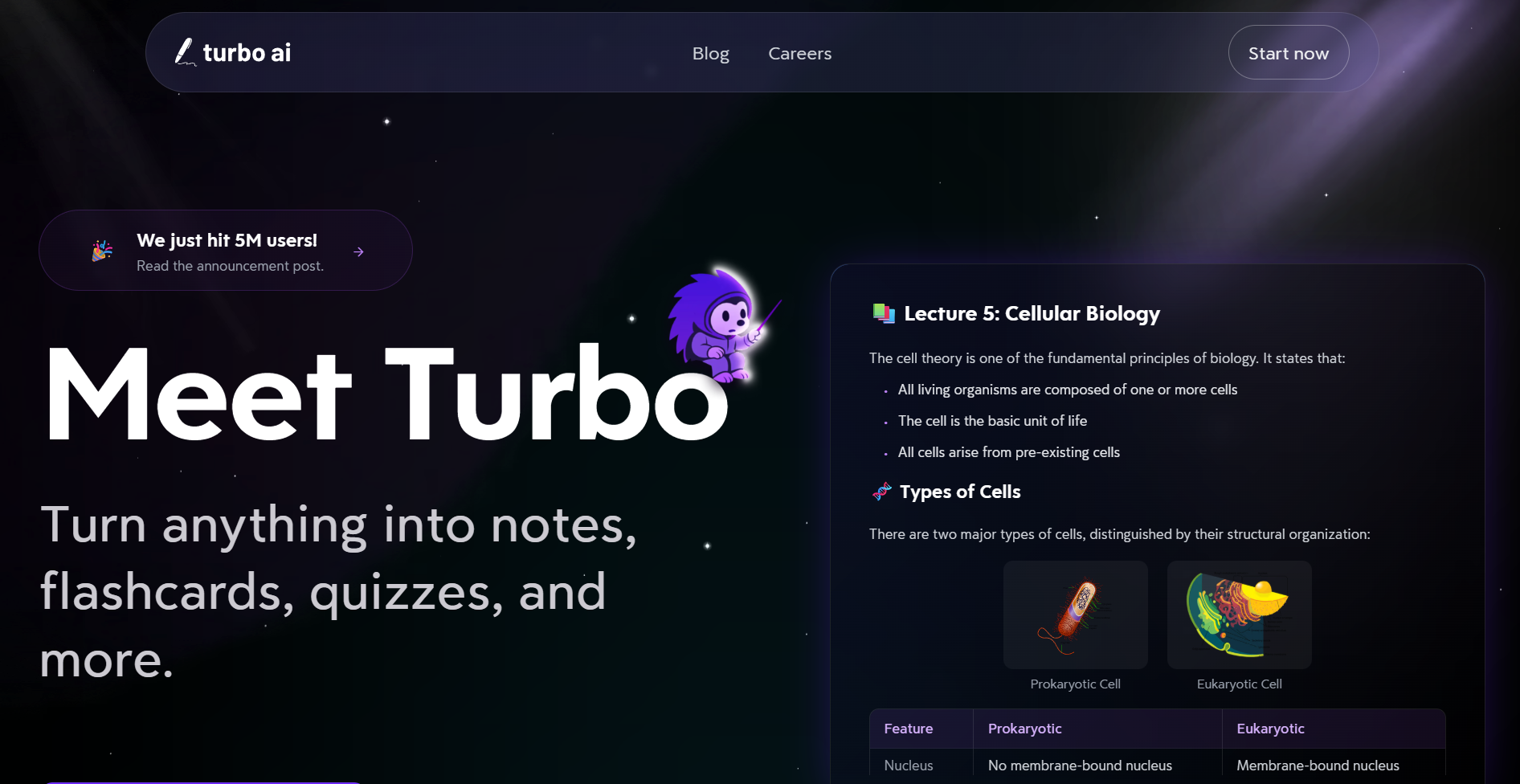
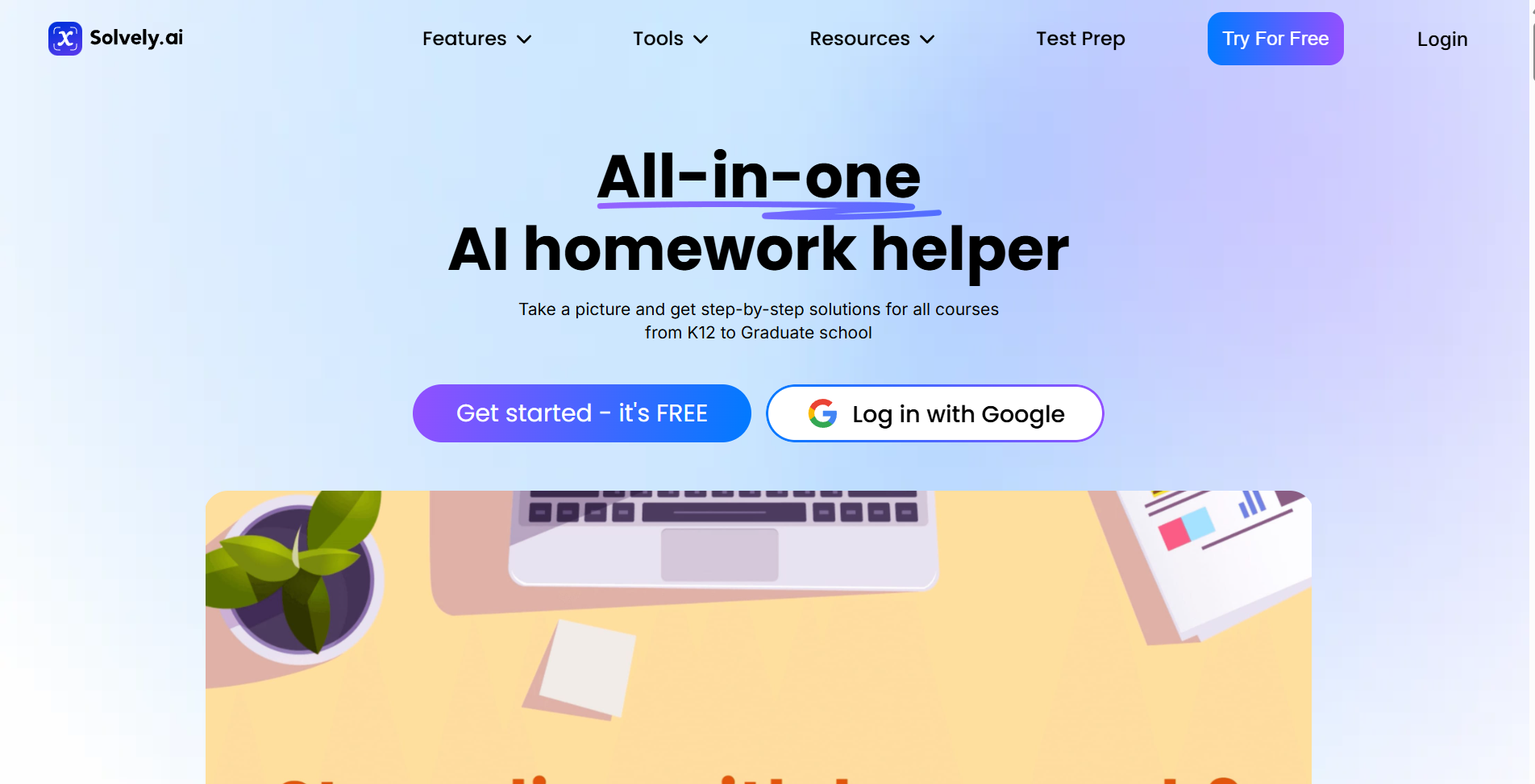
Click the buttons on images to visit these AI study platforms
Potential Benefits
1. Personalized Learning Experience
AI chatbots can provide personalized assistance to students, adapting to individual learning paces and styles. Unlike traditional classroom settings where one teacher must address the needs of many students, chatbots can offer one-on-one support simultaneously to multiple learners.
2. 24/7 Availability
Students can access help and information outside of regular class hours. This continuous availability ensures that learning doesn't stop when the school day ends, allowing students to clarify doubts and reinforce concepts at their convenience.
3. Immediate Feedback
Chatbots can provide instant feedback on assignments, quizzes, and questions. This immediate response helps students understand their mistakes quickly and learn from them in real-time, rather than waiting for teacher feedback.
4. Reduced Teacher Workload
By handling routine questions and administrative tasks, AI chatbots can free up teachers to focus on more complex pedagogical activities, such as developing creative lesson plans and providing deeper mentorship to students.
5. Enhanced Engagement
Interactive chatbots can make learning more engaging through conversational interfaces, gamification elements, and adaptive content delivery that responds to student interests and preferences.
Real-World Examples: AI Study Tools in Action
Today, several AI-powered platforms are already transforming how students learn and study. These tools demonstrate the practical applications of AI chatbots in education and provide valuable insights into their effectiveness.
1. Turbo AI - AI-Powered Study Tools
Turbo AI is a comprehensive AI study platform trusted by students and professionals at prestigious institutions including Harvard University, MIT, Yale, and companies like Google and Goldman Sachs. With over 5 million active students, Turbo AI has generated more than 15 million notes.
Key Features:
- AI Note Taker: Records live lectures, transcribes audio, and transforms PDFs, videos, and audio files into editable notes with AI-powered analysis
- Study Materials Generation: Automatically creates flashcards, quizzes, and podcasts from uploaded content
- Live Collaboration: AI actively edits documents, highlights issues, and adds comments in real-time
- Multi-format Support: Works with PDFs, YouTube videos, audio files, and documents, processing content in approximately 30 seconds with 99% accuracy
- Cross-platform: Available on web and mobile devices with automatic synchronization
Turbo AI demonstrates how AI can handle complex educational content, including STEM subjects with formulas, chemical equations, physics diagrams, and code snippets, making it valuable for engineering, pre-med, and science majors.
2. Solvely - AI Homework Helper
Solvely is an all-in-one AI homework helper trusted by over 2 million students, parents, and teachers worldwide. It has solved more than 4.5 million problems with 90% overall accuracy and a 4.8 App Store rating.
Key Features:
- Step-by-Step Solutions: Provides detailed explanations for problems across all subjects from K-12 to graduate level, not just answers
- Multi-subject Support: Handles STEM subjects (math, physics, chemistry), social sciences, and liberal arts with high accuracy
- Visual Problem Solving: Students can take pictures of problems and receive comprehensive solutions
- Interactive Learning: Allows unlimited follow-up questions until students fully understand concepts
- Platform Integration: Works with various learning management systems including Canvas, Blackboard, Moodle, Khan Academy, Coursera, and more
- Free Tier Available: Offers free access to start, making it accessible to students regardless of financial constraints
Solvely has been particularly praised by students from universities including MIT, Harvard, Cornell, Stanford, and UC Berkeley for its ability to explain complex problems in understandable ways, especially for word problems and geometry that other apps struggle with.
What These Tools Tell Us
Both Turbo AI and Solvely exemplify the benefits discussed earlier:
- Personalization: They adapt to individual learning needs and provide customized study materials
- Accessibility: Available 24/7, allowing students to study at their convenience
- Immediate Feedback: Instant responses help students learn from mistakes in real-time
- Engagement: Interactive interfaces and multiple study formats (notes, flashcards, quizzes, podcasts) cater to different learning styles
- Scalability: Serving millions of students simultaneously demonstrates how AI can scale educational support
These platforms show that when AI tools are well-designed and properly implemented, they can significantly enhance the learning experience while maintaining educational quality and accuracy.
Challenges and Concerns
1. Lack of Human Connection
While chatbots can provide information, they may lack the emotional intelligence and personal connection that human teachers offer. The mentorship and inspiration that come from human interaction are difficult to replicate.
2. Quality and Accuracy
AI chatbots may provide incorrect information or struggle with complex, nuanced questions. Without proper oversight, students might learn incorrect concepts or develop misunderstandings.
3. Over-reliance on Technology
There's a risk that students might become overly dependent on chatbots, reducing their ability to think critically, solve problems independently, and develop essential learning skills.
4. Privacy and Data Concerns
The use of AI chatbots involves collecting student data, which raises concerns about privacy, data security, and how this information might be used or shared.
5. Technical Limitations
Current AI technology may not fully understand context, cultural nuances, or the diverse ways students express questions and ideas, potentially leading to communication barriers.
Conclusion
AI chatbots have the potential to significantly enhance student learning in classrooms by providing personalized support, immediate feedback, and 24/7 accessibility. However, their effectiveness depends on careful implementation, proper oversight, and maintaining a balance between technological assistance and human instruction.
The key to success lies in using AI chatbots as complementary tools that support rather than replace teachers. When integrated thoughtfully, chatbots can help create a more inclusive, accessible, and efficient learning environment that benefits both students and educators.
As we continue to explore and develop AI technologies in education, it's essential to maintain a critical perspective, continuously evaluate their impact, and ensure that the human element of teaching and learning remains at the core of education.
Reflection
As a Computer Science student, I find the intersection of AI and education particularly fascinating. The potential to create more personalized and accessible learning experiences aligns with my interests in web development and problem-solving. However, I also recognize the importance of maintaining the human connection in education and ensuring that technology serves to enhance rather than replace meaningful learning interactions.